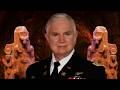
Wlodimir Ledochowski
26th Superior General of the Jesuit Order
February 11, 1915 - December 13, 1942
 Eugenio Maria Giuseppe Giovanni Pacelli (Pope Pius XII)
March 2, 1939 - October 9, 1958
Brother Eric
If not, why then are not they suggesting canonization for Wlodimir Ledochowski?
Why do they act -- via omission -- that Ledochowski is a supreme embarrassment?
 The Butcher Pavelic and the Mother of War
February 11, 1915 - December 13, 1942
 Eugenio Maria Giuseppe Giovanni Pacelli (Pope Pius XII)
 March 2, 1939 - October 9, 1958
----- Original Message -----
From: Eric Phelps
To: Eric Jon Phelps
Sent: Wednesday, October 15, 2008 1:01 PM
Subject: Fw: The Greatest Sins of Pius XII & The Genocide of Orthodox Christians
Further, I would add that without Hitler installing Pavelic in power in Croatia in 1941, there would have been no Serbian-Jewish holocaust in Croatia, Bosnia and Krajina. The masters of Hitler were the same masters of Pavelic---the Roman Hierarchy ruled by Pope Pius XII overseen by Jesuit General Ledochowski.
Brother Eric
----- Original Message -----
From: Dr. Jonathan Levy
Sent: Wednesday, October 15, 2008 12:48 PM
Subject: The Greatest Sins of Pius XII & The Genocide of Orthodox Christians
With the 50th Anniversary of the death of Pius XII, the Vatican is again pushing for his sainthood. While Pius can be legitimately criticized for his tepid condemnations of the Nazi Holocaust there is no question he was complicit in the deaths of at least 500,000 Orthodox Christian Serbs, Jews and Roma murdered in Croatia, Bosnia, and Krajina during the Second World War by the Axis allied Croatian regime.
See Attached Press Release or http://www.vaticanbankclaims.com/piussin.htm
Dr. Jonathan Levy
Co-counsel for Plaintiffs
Alperin v. Vatican Bank and Franciscan Order
United States District Court for Northern California , Case No. C-99-04941 MMC
resistk@yahoo.com tel/fax +1 202-318-206
-------

If not, why then are not they suggesting canonization for Wlodimir Ledochowski?
Why do they act -- via omission -- that Ledochowski is a supreme embarrassment?
 The Butcher Pavelic and the Mother of War